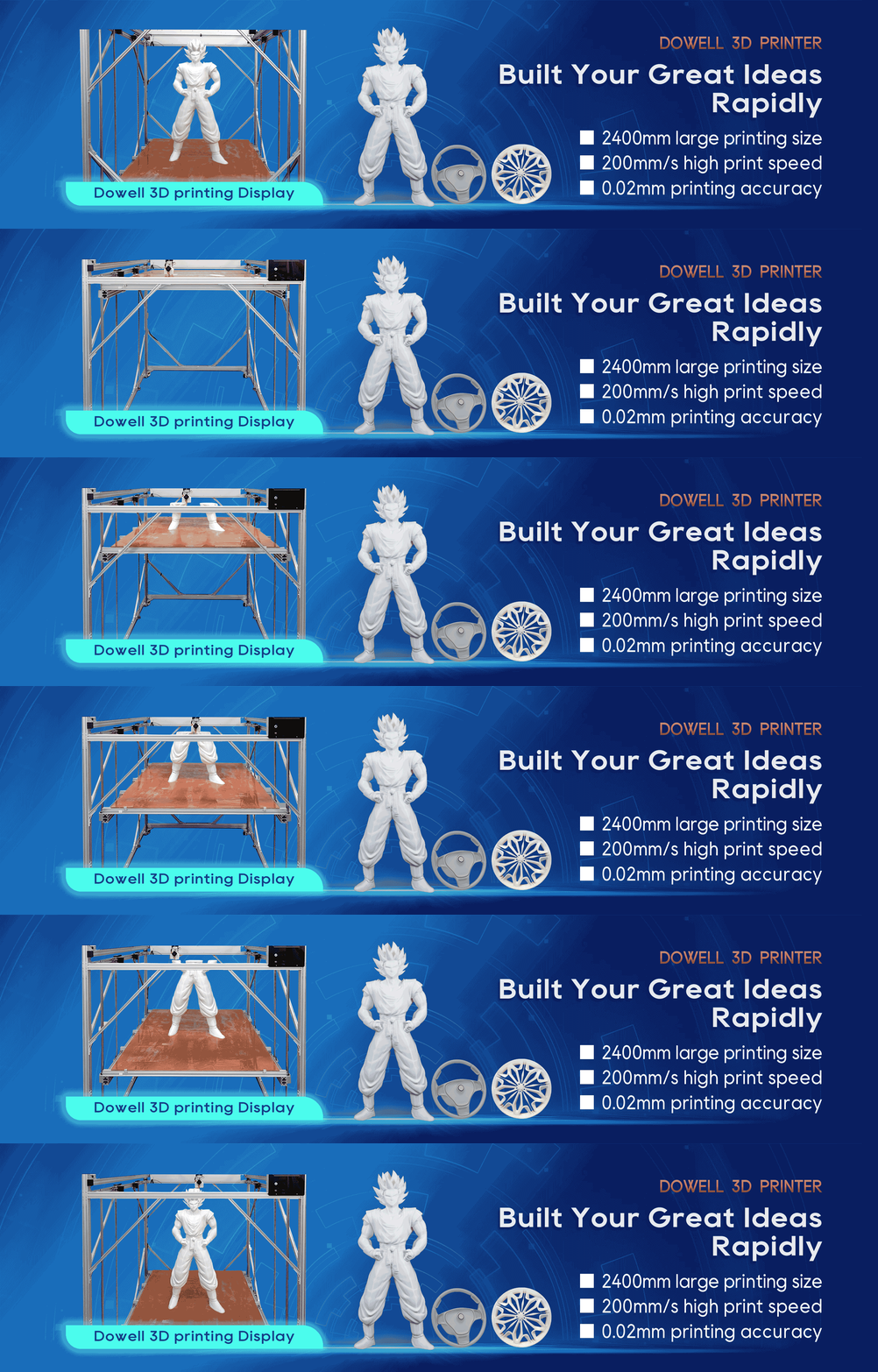
Applications of 3D Printing in Industrial Mold Manufacturing
In recent years, manufacturing has undergone significant transformations, and 3D printing technology is one
of the most disruptive technologies. Particularly in the field of industrial mold manufacturing, 3D printing offers
numerous advantages that traditional methods cannot provide, fundamentally changing the way industrial
molds are made. It enables the rapid and cost-effective production of complex tools such as jigs and fixtures,
reducing lead times for prototyping and low-volume production from weeks to days.
Key applications include manufacturing molds with complex conformal cooling channels to improve part quality,
accelerating design iterations, producing lightweight tools, and facilitating mass customization of unique products,
while also reducing material waste compared to traditional subtractive manufacturing methods.
1. Speeding Up Mold Prototyping
One of the most important applications of 3D printing in industrial mold manufacturing is the rapid production
of mold prototypes. In traditional methods, prototype production can take weeks or even months due to the
complexity of creating physical prototypes. However, with 3D printing technology, manufacturers can complete
prototype production in a very short time. Filament-based 3D printers enable companies to produce highly accurate
mold models, allowing for faster testing, iteration, and improvement than ever before.
Advantages: Shorter prototype cycles allow manufacturers to quickly evaluate designs and make necessary
adjustments, thereby improving product quality and shortening time to market.
2. Complex Mold Designs and Geometries
3D printing technology allows for the creation of molds with complex geometries that would be nearly impossible
or prohibitively expensive to manufacture using traditional methods. This is particularly important for molds used
in industries such as aerospace, automotive, and medical devices, which often require high precision and intricate
internal structures.
Using filament-based 3D printing technology, molds can be manufactured with complex cooling channels, lattice
structures, or thin-walled designs, resulting in lightweight yet durable molds. These features not only improve the
functionality of the mold but also help reduce cooling times during the manufacturing process.
Advantages: The ability to incorporate complex features directly into the mold design results in more efficient
manufacturing processes and enhanced performance.
3. Cost-Efficiency and Material Savings
In traditional mold manufacturing processes, a significant amount of material is often wasted. In contrast, 3D
printing, especially when using high-quality filaments, allows for precise material usage, minimizing waste.
Furthermore, using durable and reliable high-grade materials can significantly reduce material costs.
More importantly, 3D printing eliminates the need for expensive molds or complex machinery to manufacture
molds, allowing businesses to reduce initial investment costs and making 3D printing a cost-effective solution
for small and medium-sized enterprises (SMEs).
Advantage: By reducing waste and mold costs, manufacturers can lower operating expenses while maintaining
high-quality production standards.
4. Customization and Low-Volume Production
Another significant advantage of 3D printing in industrial mold manufacturing is its ability to produce customized
molds for specific needs or low-volume production runs. Traditional manufacturing methods, such as injection
molding, typically require expensive molds that are only economically viable for large-scale production. However,
3D printing allows for cost-effective production of molds in small batches, enabling businesses to produce
customized components without the financial burden of mass production.
Advantage: Customization and low-volume production allow manufacturers to serve niche markets or customers
with unique needs, thereby expanding business opportunities.
5. Material Innovation
With advancements in filament technology, 3D printing is increasingly compatible with a wide range of materials.
From high-temperature resistant filaments to materials that offer superior strength, flexibility, and durability, the
options for creating molds are virtually limitless. For example, filaments like ABS, PLA, PETG, and specialty
materials such as carbon-fiber-infused filaments allow manufacturers to choose the best material for their mold
application, ensuring optimal performance for the end product.
Advantage: The wide variety of filament options provides manufacturers with the flexibility to choose the material
best suited to their specific mold requirements, optimizing mold performance and lifespan.
6. Mold and Production Flexibility
By using 3D printing technology to design molds, manufacturers can quickly and flexibly adjust the molds as needed.
Whether modifying molds to accommodate design changes or adjusting production quantities, 3D printing allows
manufacturers to rapidly iterate and improve molds without incurring significant downtime or the need for complete
mold remanufacturing.
Advantage: This flexibility minimizes downtime and ensures that manufacturers can quickly respond to design
changes, market demands, or unexpected challenges encountered during the production process.
As various industries continue to explore and expand the possibilities of additive manufacturing, 3D printing is
poised to play an increasingly important role in manufacturing across all sectors. This technology enables complex
designs, customized products, and on-demand production of parts.
3D printing is not just an auxiliary technology; it is reshaping the manufacturing landscape. As a representative of
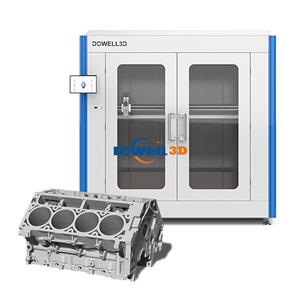
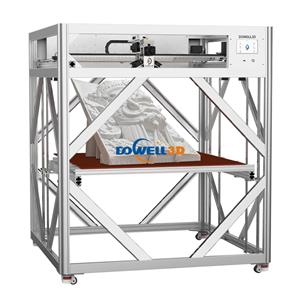
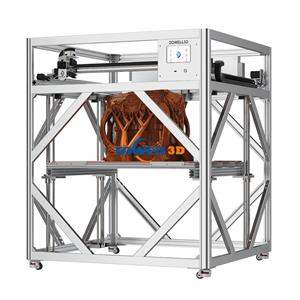
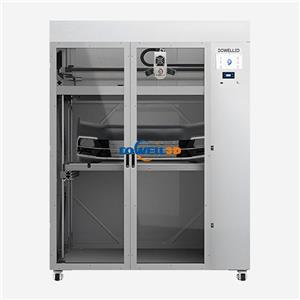
the industry's cutting edge, DOWELL3D's large-format industrial 3D printers empower businesses to innovate
rapidly, reduce costs, create complex designs, and pave the way for a more agile and efficient future.
If you would like to learn how DOWELL3D can help your business change the game, please feel free to contact us.
Our team of experts will be happy to assist you!