Are Linear Rails Worth It for 3D Printers?
Are Linear Rails Worth It for 3D Printers?
When it comes to choosing a 3D printer, one of the most debated upgrades in the professional and industrial
3D printing world is whether linear rails are truly worth the investment. For enthusiasts moving from
hobby-grade machines to large-format 3D printers, understanding the benefits—and potential trade-offs—
of linear rails can make the difference between a frustrating print experience and consistently precise results.
What Are Linear Rails?
Linear rails are high-precision metal tracks along which the printer's moving parts slide. Unlike traditional
rod-and-bearing systems, linear rails are engineered for smooth, stable motion, reducing wobble and
mechanical play. In industrial 3D printers and high-precision 3D printers, this stability is crucial, especially
when printing large objects, where even minor deviations can lead to failed prints.
Key Benefits of Linear Rails
1. Improved Print Accuracy
Large prints amplify every small movement. On standard rod-based systems, sagging or slight misalignment
can cause layer inconsistencies. Linear rails maintain a consistent motion path, which translates to sharper
edges and more precise layers. For professional users who rely on dimensional accuracy—like prototypes,
functional parts, or molds—linear rails are a game-changer.
2. Better Stability for Large Format Printing
For large-format 3D printers, bed sizes can exceed one meter. Without rigid guidance, the gantry may wobble
under its own weight or during rapid movements, leading to layer shifts or defects. Linear rails provide the
necessary rigidity for large-scale prints, ensuring your massive models maintain structural integrity throughout
the process.
3. Higher Speed Without Sacrificing Quality
Linear rails allow smoother, quieter motion, which means you can push your industrial 3D printer to higher
speeds without compromising print quality. This is particularly useful for professional settings where
time-to-completion is as important as the final product.
4. Longevity and Maintenance
High-quality linear rails, when properly lubricated, can last for years without noticeable wear. They reduce
strain on stepper motors and belts, translating into less frequent maintenance and more reliable operation.
For companies relying on high-precision 3D printers for daily production, this longevity can reduce downtime
and costs in the long term.
Are There Downsides?
While linear rails bring many advantages, they aren't a silver bullet. Here are some points to consider:
Cost:
Linear rails are more expensive than standard rods and bearings. For hobbyists, this might not be worth the
investment, but for professional and industrial applications, the benefits often justify the price.
Installation and Calibration:
Precision alignment is critical. Improper installation can negate the advantages, so users must ensure the
rails are mounted perfectly parallel and level.
Maintenance Awareness:
Although durable, linear rails require occasional cleaning and lubrication to maintain peak performance.
Who Should Consider Linear Rails?
Professional designers and engineers who need consistent accuracy on large-scale prints.
Manufacturers and prototyping labs are investing in industrial 3D printers for functional or mechanical parts.
Anyone upgrading to a large-format 3D printer where precision and stability are non-negotiable.
Why It Matters for Large Format Printing
When printing objects that are several feet in size, traditional rods can flex under weight or speed, causing
layer misalignment and weak structural points. A professional 3D printer equipped with linear rails ensures
smooth movement across the entire build area, which is why many leading high-precision 3D printers and
industrial 3D printers now use them as standard components.
If you're exploring large-format 3D printers for professional applications, the added investment in linear
rails can be the difference between inconsistent prints and a machine that delivers reliable, precise results
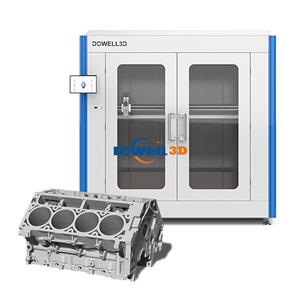
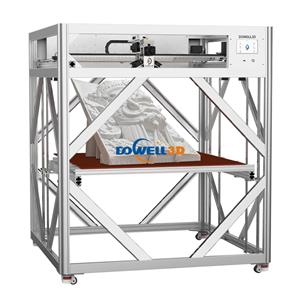
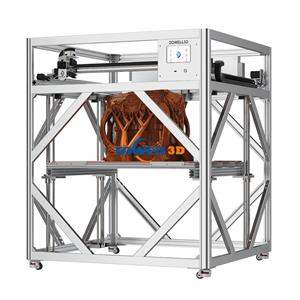
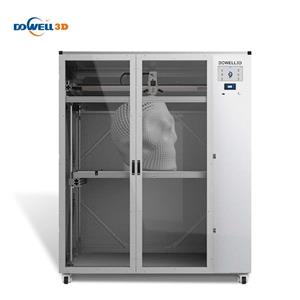
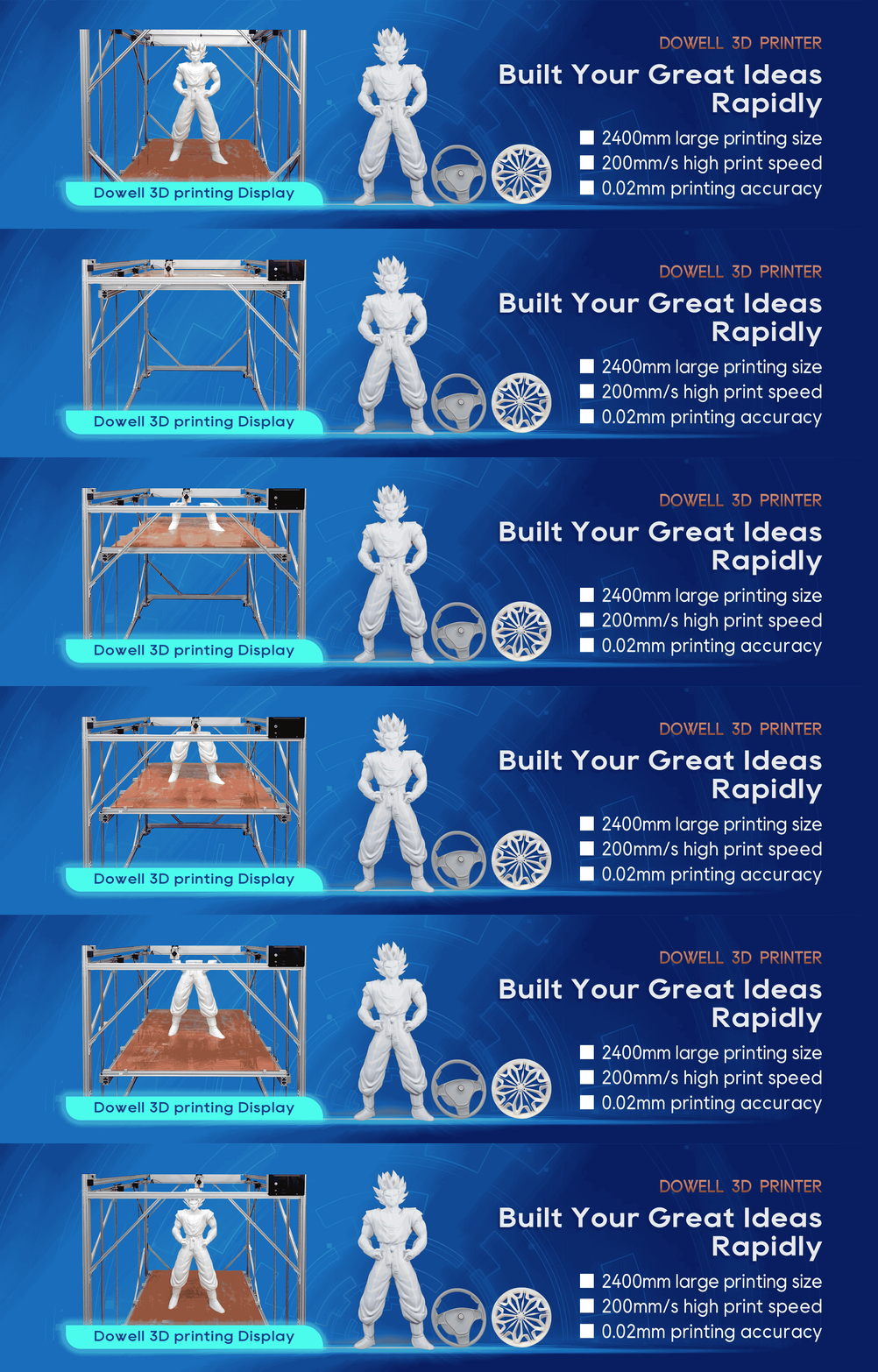
every time. Machines like those in the Dowell 3D line are designed for industrial-scale, high-accuracy
applications, combining robust frame design with linear rails to handle large prints effortlessly.
Conclusion
Linear rails are more than just a luxury upgrade—they're a performance and reliability enhancement,
particularly for industrial, professional, and high-precision 3D printers. If your workflow involves large or
complex prints, the precision, stability, and speed benefits of linear rails can justify the additional cost.
Choosing a large-format 3D printer with linear rails can save time, reduce frustration, and improve the
quality of your prints from the first layer to the last.