Architecture Models with 3D Printing: Speed and Precision
In the world of architecture, precision and speed are critical, especially when it comes to creating physical models
that reflect intricate designs. Over the past decade, 3D printing has revolutionized how architects approach model-
making, providing solutions that traditional methods simply can't match. With large-format 3D printers, architects
can now create models that are not only highly accurate but also completed in a fraction of the time it would take
using conventional techniques.
The Rise of Large-Format 3D Printing in Architecture
Architectural models are an essential part of the design and presentation process, serving as tangible representations
of a concept that clients, stakeholders, and teams can interact with. However, building these models traditionally
can be time-consuming and expensive. This is where large-format 3D printers come in. They offer an efficient
alternative by producing models quickly and with incredible accuracy.
Using a high-precision 3D printer, architects can produce complex designs that may be challenging or even
impossible to create by hand. With the right 3D printer, including professional and industrial-grade models, every
detail of a design can be faithfully reproduced, down to the smallest feature.
Speed Without Compromise on Precision
One of the biggest advantages of 3D printing in architecture is speed. Unlike traditional methods, where models are
crafted manually or using molds, a 3D printer can create an entire structure in just a few hours or days, depending on
its size and complexity. This significantly shortens the design-to-approval process, allowing architects to focus more
on refining the design itself rather than spending time on the labor-intensive task of model-making.
Large-format 3D printers, in particular, can handle much larger designs, which is essential for creating scalable
architectural models. Whether it's a city block, a complex building structure, or a detailed interior, these printers
can deliver models that perfectly reflect the planned project. And because these printers can produce highly
accurate models with minimal error, architects can trust the results, ensuring that every detail aligns with their vision.
Filament: The Key to Quality Models
The materials used in 3D printing are just as important as the technology behind the printer. The right filament can
make all the difference in the quality of the final model. For architectural models, high-quality filament ensures
that the structure maintains its integrity and fine details, even when handling large-scale designs.
Filament comes in various types, each suited to different needs. PLA filament, for example, is widely used for
architectural models due to its ease of use and excellent finish. However, more durable options such as ABS or PETG
filament may be preferred for larger models or those that need to withstand handling during presentations.
Choosing the right filament is critical to achieving the desired quality and durability for architectural models.
The Advantage of Dowell 3D's Large Format Printers
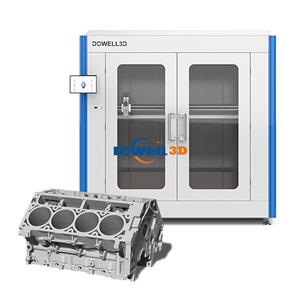
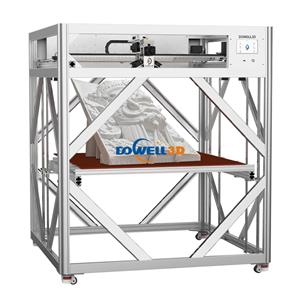
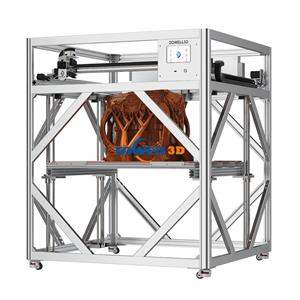
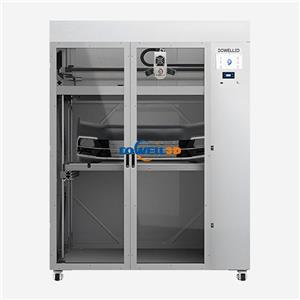
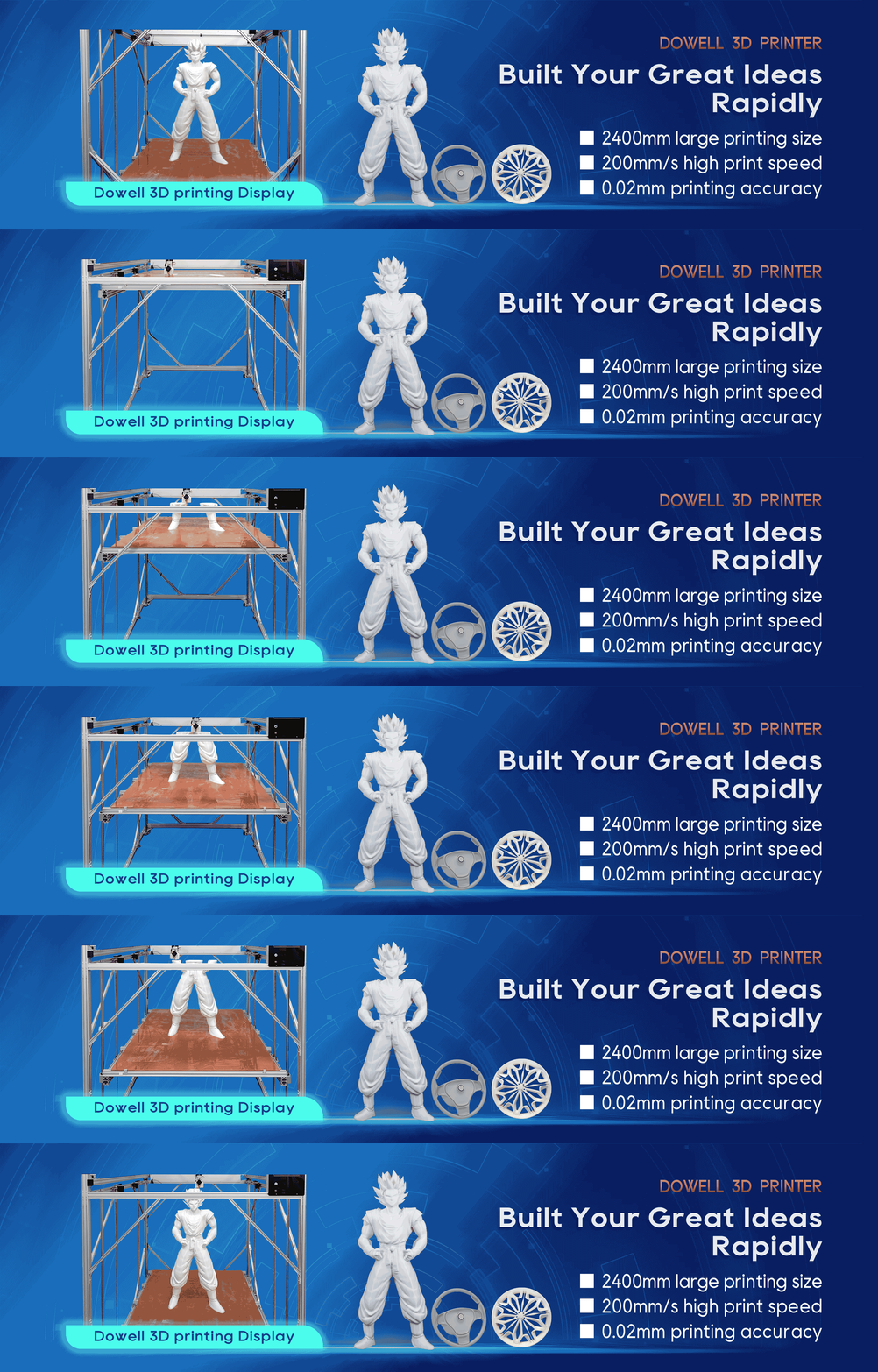
When it comes to creating high-quality architectural models, Dowell 3D's large-format 3D printers are a great option.
With over 12 years of expertise in producing and exporting industrial-grade 3D printers, Dowell 3D combines cutting-
edge technology with a deep understanding of what architects need. Our printers are designed to offer both speed
and precision, enabling you to create detailed models that capture every aspect of your design.
Whether you are producing a simple design or a highly detailed architectural model, Dowell 3D's professional 3D
printers can provide the necessary precision and reliability you need. With large-format capability, you can print
models of any size, from small-scale models to full-size prototypes, all with the same level of quality and attention
to detail.
The Future of Architecture with 3D Printing
Looking ahead, the role of 3D printing in architecture will continue to expand. As technology advances, we expect
to see even greater speed and precision, allowing architects to push the boundaries of design. Large-format 3D
printers will become even more powerful, offering the ability to create more complex and innovative models than
ever before.
In the meantime, the integration of 3D printing in architectural workflows is already making a significant impact.
Architects can now showcase their designs more interactively and realistically, speeding up the approval process
and enhancing client presentations. By embracing 3D printing technology, architecture firms can stay ahead of the
curve and continue to deliver outstanding, high-quality designs that capture their clients' imaginations.