Why is drying the filaments so important in a 3D printer?
Why is drying filament so important in 3D printing?
3D printing technology has revolutionized various industries, from prototyping and manufacturing to the automotive,
medical, and furniture sectors. As demands for precision and quality continue to rise, optimizing every aspect of the
3D printing process is crucial. One often overlooked but critical factor is the humidity control of the printing filament.
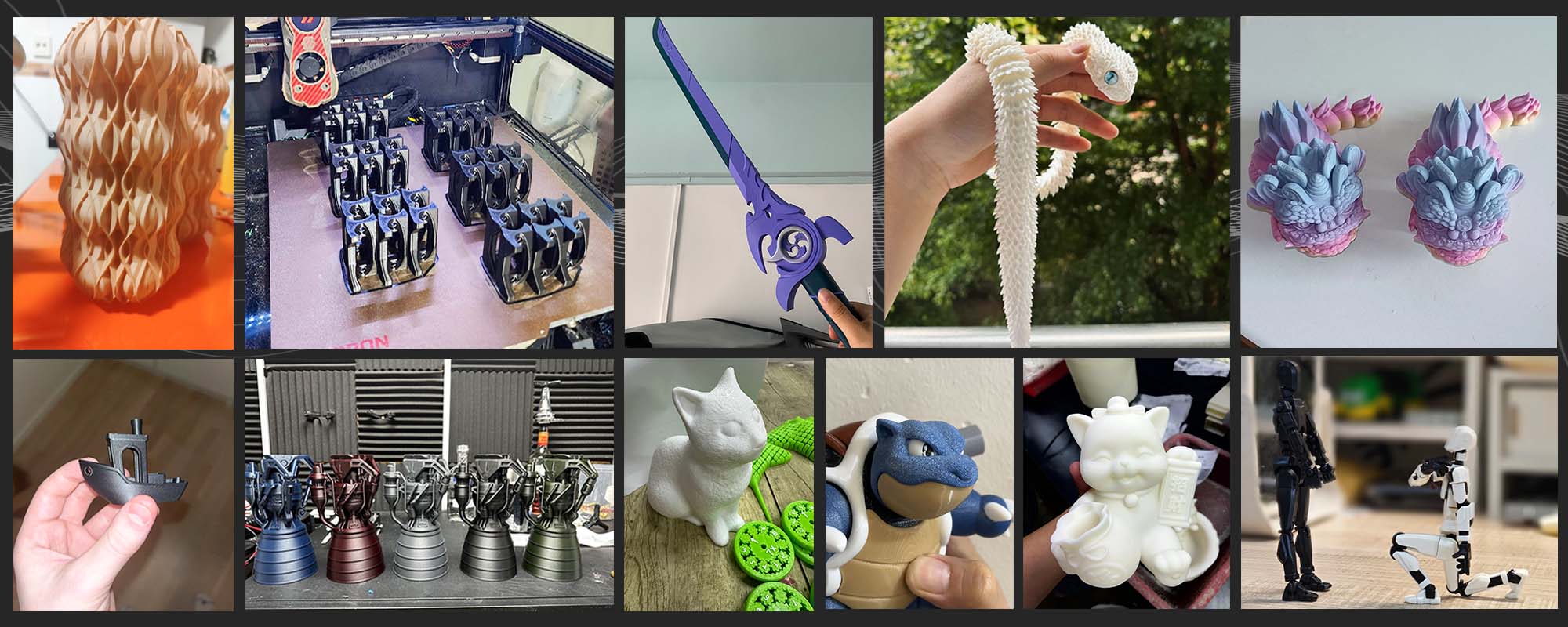
Filament is the core material in 3D printing. There are various types of 3D printing filaments, such as PLA, ABS, PETG,
ASA, PVA, TPU, Carbon fiber, and nylon, each with unique properties suitable for different applications. The condition
of the filament significantly impacts print quality.
Because filament is hygroscopic, meaning it absorbs moisture from the air, excessive moisture absorption can lead to
various problems during the printing process. Therefore, drying the filament is a crucial step in achieving high-quality prints.
How Moisture Affects Filament and Printing Performance?
When filament absorbs moisture, it can negatively impact both the material itself and the overall printing process.
Here’s how:
Bubbling and popping:
Moisture trapped in the filament turns into steam during the heating process. This leads to bubbling, popping,
and sizzling sounds during printing, which can result in weak, inconsistent layers.
Poor layer adhesion:
Filament that has absorbed moisture can have difficulty bonding properly to the print bed or to previous layers.
This leads to prints that warp, crack, or fail entirely.
Inconsistent extrusion:
The presence of moisture in the filament causes inconsistent extrusion, resulting in weak or under-extruded prints.
This makes it harder to achieve high-quality prints and could waste valuable time and material.
Weakened prints:
Prints made from filament with high moisture content can have reduced strength and durability. This is particularly
problematic for functional parts or products that need to withstand stress or environmental factors.
Which types of filaments are most susceptible to moisture?
While all filaments absorb moisture, some are more prone to it than others. For example:
Nylon: Known for its excellent strength and flexibility, nylon is also one of the most moisture-sensitive filaments.
Even small amounts of moisture can severely affect its performance.
PVA (Polyvinyl Alcohol):Used as a support material in dual-extruder 3D printers, PVA is highly hygroscopic and
requires strict humidity control.
ABS and PLA: Although ABS and PLA are not as hygroscopic as nylon and PVA, prolonged exposure to high
humidity can still lead to quality issues.
How to Effectively Dry Filaments
Drying filaments isn't difficult, but it requires the right tools and techniques. Here are some tips to help you
ensure your filaments stay dry and perform at their best:
Use a Filament Dryer:
A dedicated filament dryer is the most effective way to dry filaments. These devices allow you to set the ideal
temperature for different types of filaments and remove moisture without damaging the material.
Oven Drying:
For filaments like nylon or ABS, you can use a regular oven, setting the temperature to a low setting (around 50-60°C).
Be sure to monitor the drying process to avoid overheating.
Desiccants:
Placing filaments in a vacuum-sealed bag with desiccant packs can help keep them dry when not in use. This is a
simple and cost-effective method for filament storage.
Proper Storage:
Always store filaments in a dry, cool place, away from humid environments. Using airtight containers or vacuum-sealed
bags is an excellent way to prevent moisture buildup.
How to determine if your filament needs drying
If your filament is performing poorly, it's likely due to moisture absorption. Here are some signs to look for:
1. Bubbles or popping sounds during extrusion
2. Stringing or excessive oozing
3. Poor layer adhesion
4. Poor print quality, especially on overhangs or complex structures
If you experience any of these problems, drying your filament should be one of the first troubleshooting steps you try.
Understanding the importance of filament drying can ensure better print quality, extend filament lifespan, and save on
material costs. Remember, proper storage and drying are key to achieving optimal results with your 3D printer.
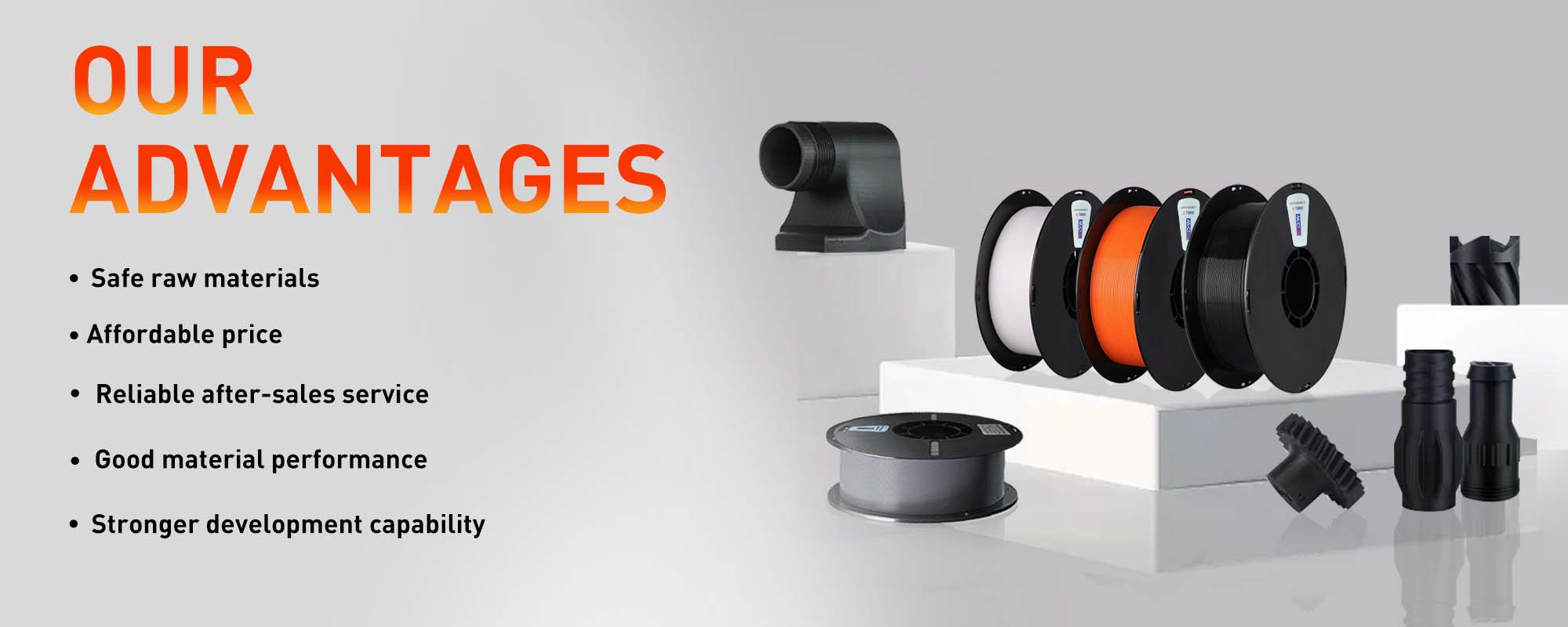
If you're ready to take your 3D printing to the next level, consider DOWELL3D. We understand the importance of
high-quality materials for your 3D printing projects. With over 11 years of manufacturing and export experience,
we provide reliable, high-quality filaments to help you achieve professional printing results every time.