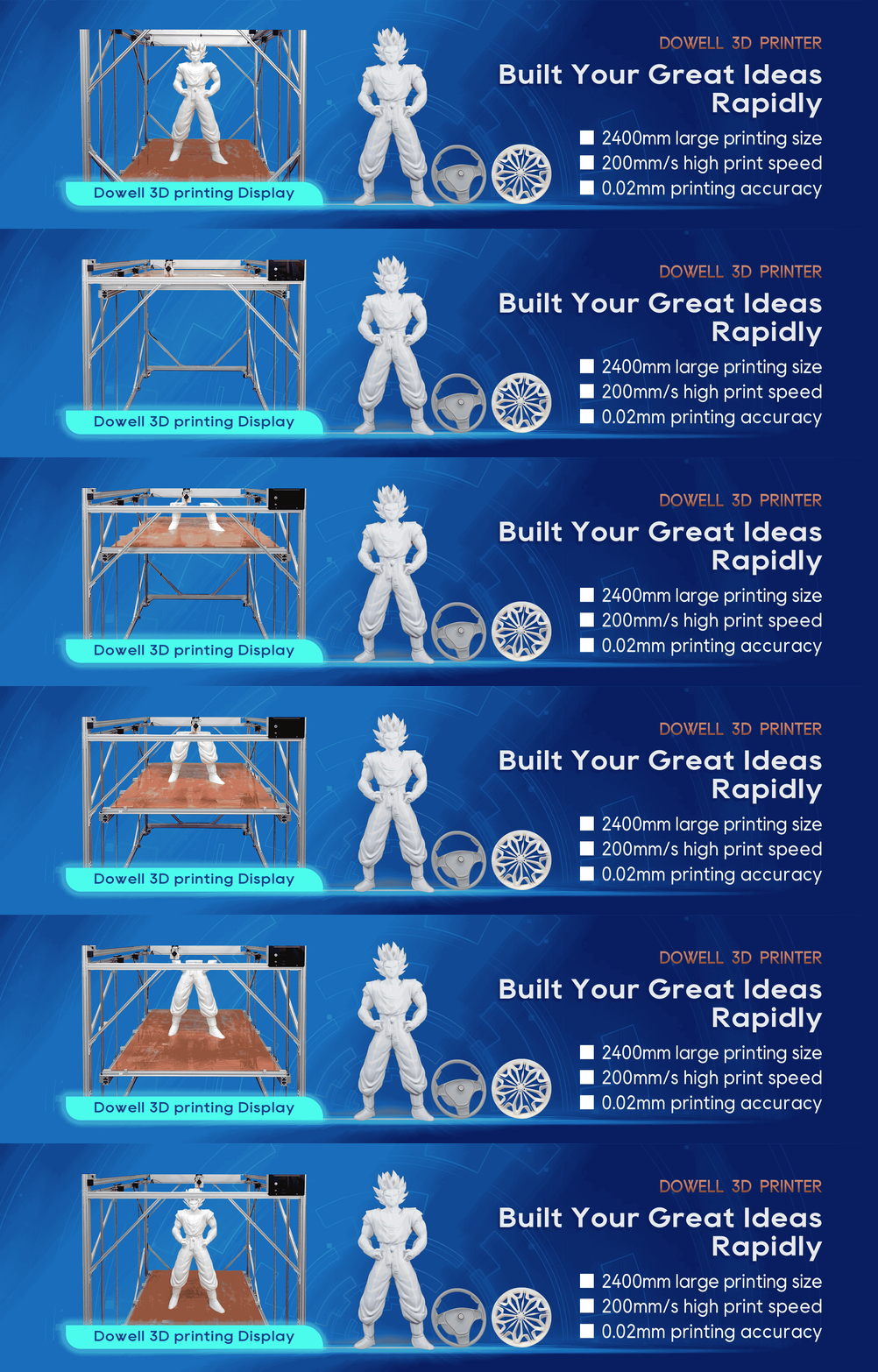
Pellet 3D Printer Advantages And its Applications
The world of 3D printing has evolved tremendously over the past decade, with various technologies
emerging to meet different needs. One of the most exciting and innovative developments in the field
is Pellet 3D Printing, also known as FGF (Fused Granular Filament) Printing. Unlike traditional
filament-based 3D printing, which uses spooled filament, Pellet 3D printers utilize small pellets of
filament, which offer significant benefits in terms of cost, material diversity, and printing efficiency.
If you're looking for ways to take your 3D printing projects to the next level, here’s why Pellet 3D
Printers might be the game-changer you need.
What is a Pellet 3D Printer?
Simply put, a pellet 3D printer is an innovative machine that harnesses the technology of fused granular
fabrication (FGF) to print objects. Instead of the usual filament strands catered for by the majority of 3D
printers, pellet 3D printers utilize raw, discrete plastic pellets to propel novelistic prototypes, blazing a
trail in print-style sophistries often conveyed in sizeable capacities.
How does Pellet 3D Printing work?
Quite intriguingly, the operational normality behind pellet 3D printing squarely resonates with the popular
fused deposition modeling (FDM). The only significant difference lies in the method of material input and
the specially designed extruder used to process plastic pellets instead of FDM filament. The technology
uses an extruder that feeds pellets into a heated nozzle, where they are melted and deposited layer by layer
to form an innovative 3D object. This approach offers significant advantages, especially for industrial and
high-volume printing needs.
Key Advantages of Pellet 3D Printers
1. Lower Material Costs
One of the most significant advantages of Pellet 3D printing is cost efficiency. Traditional filament, especially
in large quantities, can be expensive. In contrast, pellets are much cheaper to produce, and they can be
purchased in bulk, offering a much more affordable way to print large objects. This makes Pellet 3D printing
ideal for businesses that need to print large parts at a lower cost per unit.
2. Faster Printing Speeds
Pellet 3D printers can print significantly faster than traditional filament-based printers. Since pellets have
a higher density and can be processed more quickly than filament, the extruder can melt and extrude
material at higher speeds, leading to faster print times. This is a crucial benefit for businesses or industries
requiring quick turnaround times, whether for prototypes, tools, or production runs.
3. Wider Material Variety
With Pellet 3D printing, the range of materials you can use is broader than that of traditional filament-
based 3D printers can handle. In addition to standard filaments like PLA, ABS, and PETG, Pellet 3D printers
can support a wide variety of specialty filaments, including PP, PP+Carbon fiber, TPE, and flexible materials.
This wide range of material options opens up possibilities for a wider array of applications, from prototypes
to fully functional industrial parts.
4. Better Sustainability
Pellet 3D printing is often considered a more sustainable option for high-volume production. Many Pellet
3D printers allow for the recycling of waste material or the reuse of unused pellets. This reduces material
waste, contributes to environmental sustainability, and offers a more eco-friendly way to print in bulk.
The ability to use recycled filaments or environmentally friendly materials also allows companies to meet
sustainability goals.
Applications of Pellet 3D Printing
1. Large-Format Industrial Parts: Due to high throughput, it is ideal for producing large, complex objects
like furniture, art installations, and construction components.
2. Prototyping and Product Development: Pellet 3D printers are ideal for rapid prototyping and product
development. The ability to print quickly and affordably means that designers and engineers can iterate on
their designs faster, testing and refining prototypes before committing to final production.
3. Aerospace and Aviation: Aerospace companies benefit from Pellet 3D printing because of the strength and
lightweight properties of materials like carbon fiber-filled filaments. This technology can be used to produce
custom parts, tools, and functional components that meet the demanding requirements of the aerospace industry.
4. Medical and Healthcare Applications: In the medical field, Pellet 3D printing is used to create custom implants,
prosthetics, and orthotic devices. The ability to use a wide range of materials with specific properties, like flexibility
or strength, makes Pellet 3D printing an ideal choice for creating personalized medical devices.
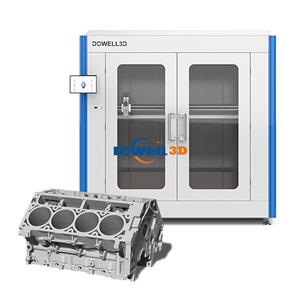
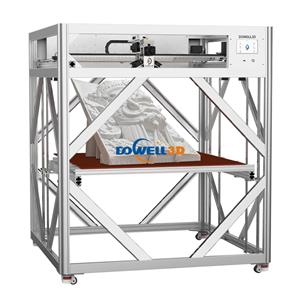
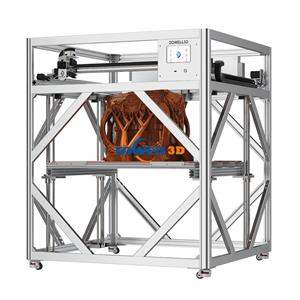
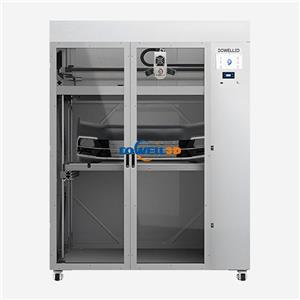
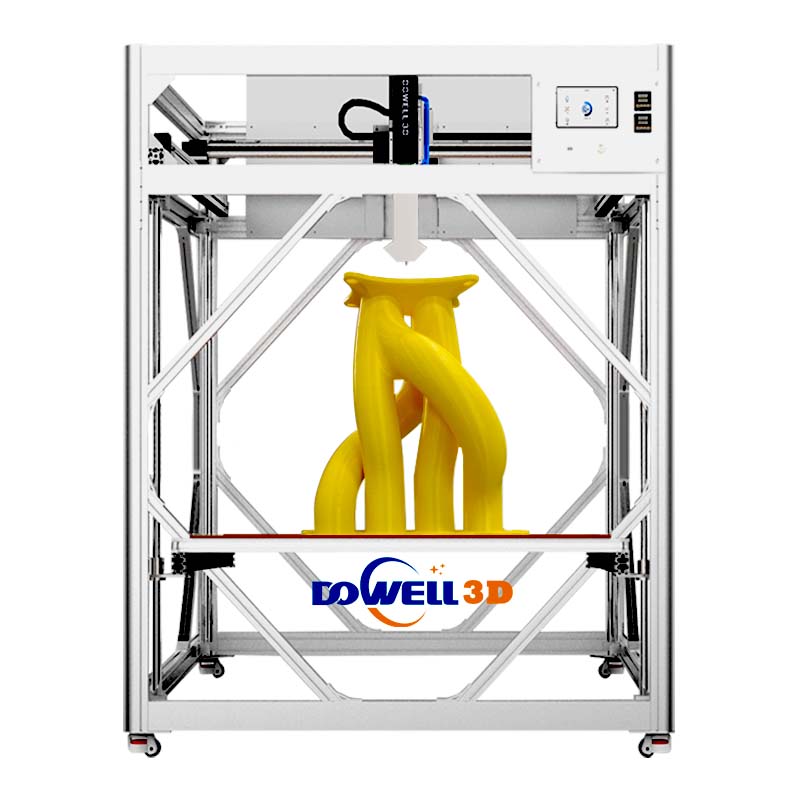
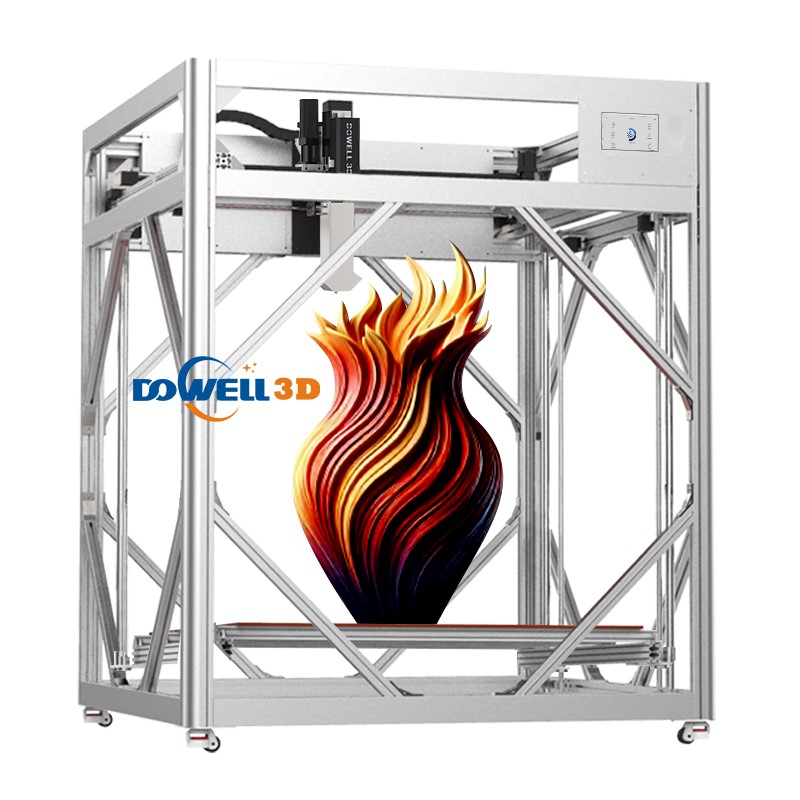
Dowell3D Pellet 3d printer
With 11 years of manufacturing and export experience, DOWELL3D proudly offers cutting-edge FGF pellet
3D printers. Our printers are designed with precision, durability, and ease of use in mind, delivering unparalleled
performance in the field of FGF 3D printing. We are more than just a printer supplier; we are your partner in your
3D printing journey, providing high-quality filaments and comprehensive customer support.
 |  |